
Title: 7 Things to Check Before You Buy a Garden Storage Shed
Suggested short description (for search results): Thinking about a garden storage shed? Here are seven practical things to check on size, material, weather resistance and placement before you buy.
A garden shed can turn a messy yard into a tidy, usable space. But it is easy to buy the wrong one: too small, too flimsy, or placed where water collects after rain. Here are seven things to check first.
1. Measure What You Need to Store
Before looking at any shed, make a list of what will go inside: tools, a lawn mower, pots, hoses, bikes, outdoor cushions. Then estimate the floor space and height each item needs. A common mistake is choosing a shed that fits the budget but not the belongings. If you are between two sizes, go for the bigger one, because most people fill their shed faster than expected.
2. Choose the Right Material
Each material has trade-offs:
- Plastic (HDPE or resin): Light, rust-proof and low maintenance. Good for damp climates and easy to clean. It may feel less sturdy in strong wind unless it is anchored.
- Metal: Strong and affordable, but it can rust or heat up in summer if the coating is poor.
- Wood: Looks natural and is very sturdy, but it needs regular sealing or painting to resist rot and insects.
If you want something low effort, plastic is usually the easiest to live with.
3. Check Weather Resistance
Look at how the shed handles your local weather. In hot regions, check for UV protection so the panels do not fade or crack. In rainy areas, look for a sloped roof and tight panel joints. Ventilation also matters: a few small vents help stop moisture and musty smells inside.
4. Look at the Floor and Foundation
Most sheds need a flat, firm base such as compacted gravel, concrete slabs or a wooden platform. A shed set directly on soft ground can tilt and let water in. Check whether the shed comes with a floor panel, or whether you need to prepare the base yourself.
5. Think About Access and Security
Check the door width. You should be able to move your largest item (like a wheelbarrow or mower) in and out without struggle. Look for a lock or a place to attach a padlock. If you store valuable tools, a sturdy door matters more than a stylish one.
6. Plan Where It Will Sit
Pick a spot that is level, well drained and easy to reach. Keep a little space around the shed so you can open the door fully and clean the sides. Avoid placing it right under a tree with heavy branches or in a low spot where rain gathers.
7. Check Assembly and Reviews
Read how the shed is assembled. Some snap together without tools, others need drilling and a helper. Also look at honest buyer reviews with photos, not just the product description. Reviews often reveal problems like missing screws, thin panels or poor instructions.
Our Pick for a Simple, Low-Maintenance Option
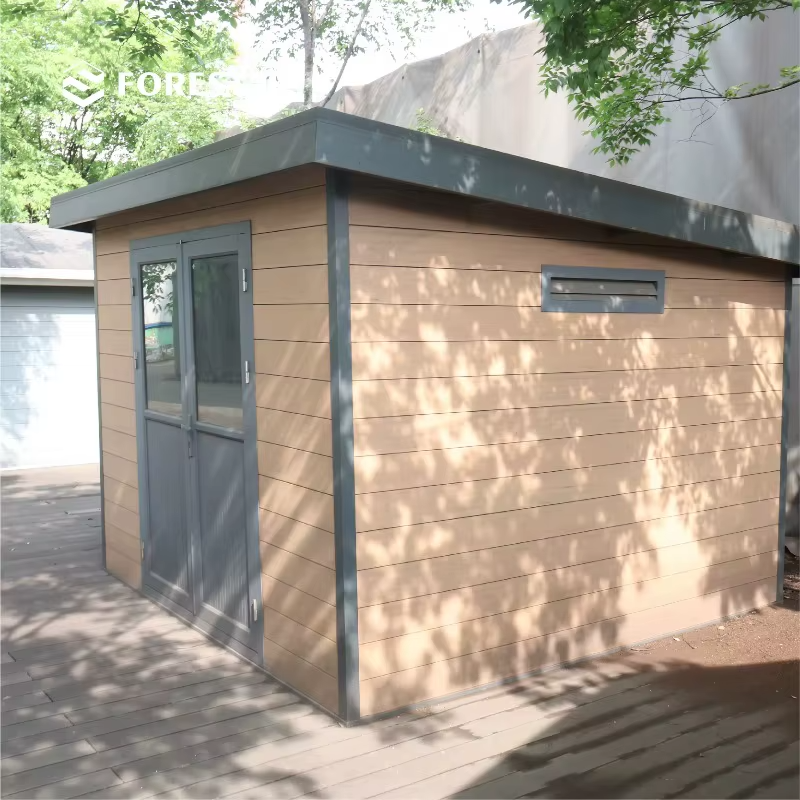
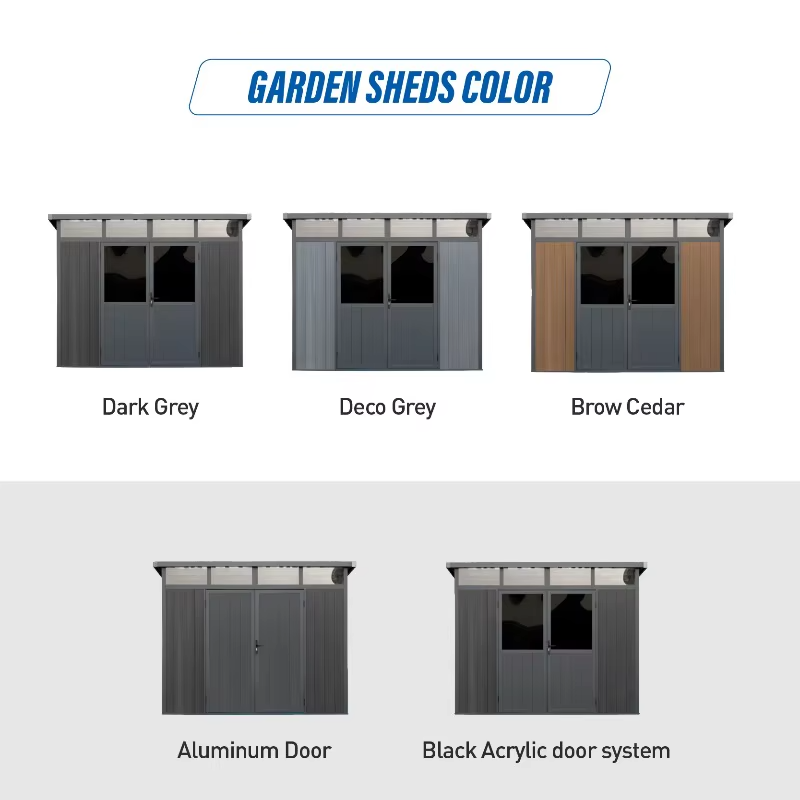
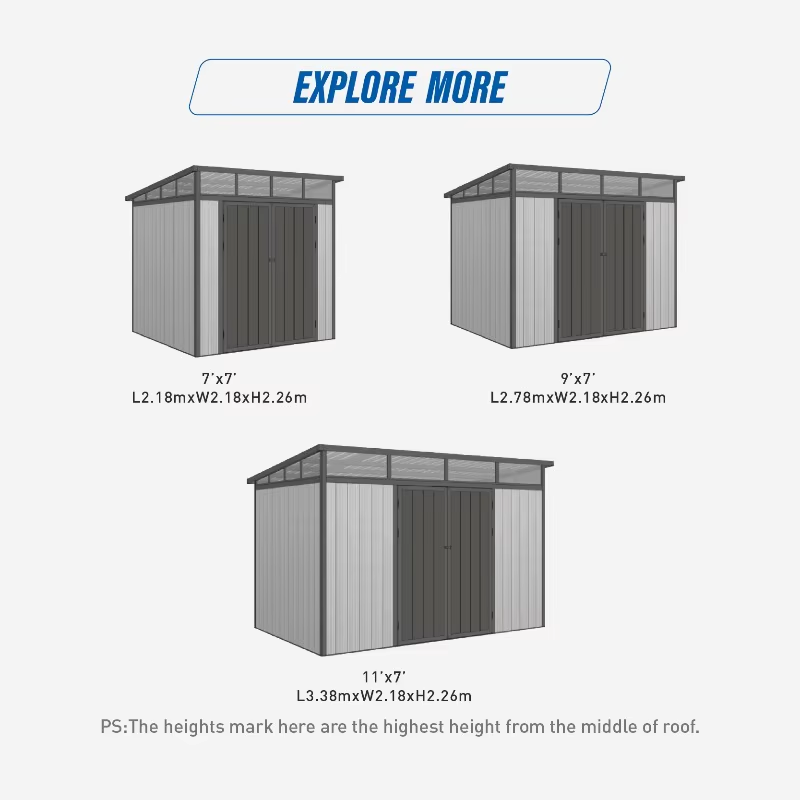
If you want a modern look with little upkeep, a durable HDPE outdoor storage shed is a practical choice. It resists rust and rot, and it suits tools, outdoor equipment and gardening accessories.
See this HDPE Garden Storage Shed on AliExpress
Disclosure: This post contains affiliate links. If you buy through them, we may earn a small commission at no extra cost to you.
Final Thoughts
The best shed is the one that fits your belongings, handles your weather and sits on a solid base. Spend a little time on measuring and planning, and you will avoid most common regrets.